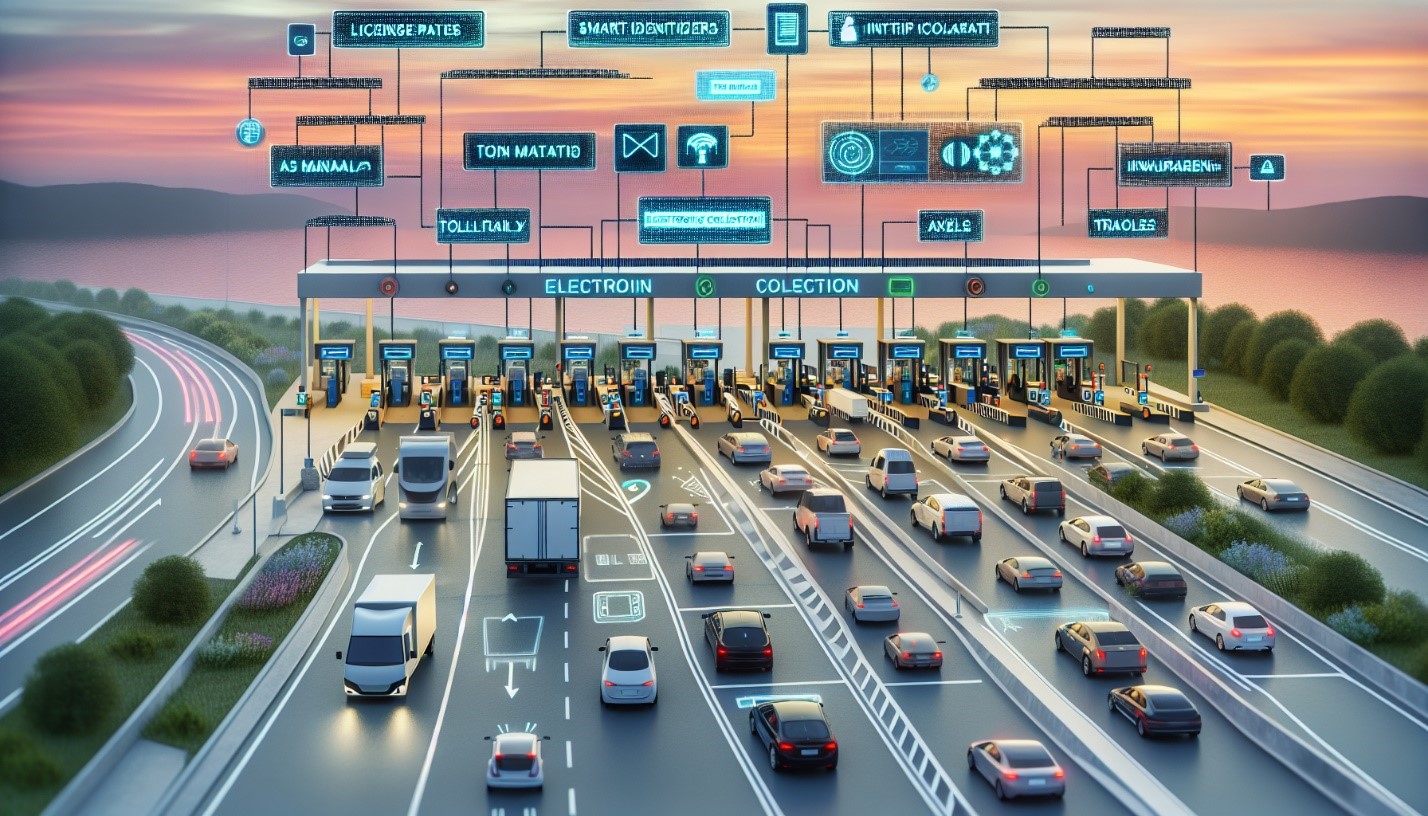
Travel has always carried an emotional dimension. Whether a journey begins with excitement, necessity, or quiet reflection, the road itself becomes part of the experience. In recent years, however, the way travelers interact with road infrastructure has been quietly transformed by technology. Across Europe, traditional toll booths and physical stickers are being replaced by digital systems that operate in the background, reshaping how movement across borders is managed.
Czechia offers a clear example of this transformation. The country has fully adopted an electronic highway toll system that no longer relies on physical vignettes displayed on vehicles. Instead, access to toll roads is granted digitally through license plate registration, allowing drivers to move freely without visible proof while enforcement takes place automatically.
From Visible Stickers to Invisible Systems
For decades, physical motorway stickers served as a visible symbol of compliance. Their absence today can feel unfamiliar, especially to travelers accustomed to tangible confirmation. In Czechia’s digital model, however, compliance exists invisibly within centralized databases. Once a vehicle is registered and its validity period begins, the system recognizes the license plate and authorizes highway use accordingly.
This shift brings efficiency but also subtle responsibility. Because enforcement relies on automated cameras rather than roadside checks, mistakes are rarely caught in real time. A simple error during registration can turn an otherwise peaceful journey into an administrative problem discovered only after the trip has ended.
Why Understanding Digital Tolling Matters to Travelers
Czechia sits at the crossroads of Central Europe, connecting major routes between Germany, Austria, Slovakia, and Poland. Many international drivers pass through the country briefly, sometimes without intending to use a toll road at all. In a digital enforcement environment, intent matters less than accuracy.
To avoid unexpected penalties, travelers increasingly look for calm, clearly written explanations of how the Czech electronic vignette system works in everyday situations. Understanding when toll coverage is required, how validity periods are counted, and how checks are performed allows drivers to travel with confidence rather than anxiety.
Technology, Trust, and the Human Side of Infrastructure
Digital systems often feel impersonal, yet they influence deeply personal moments. A family road trip, a solo journey of reflection, or a long-awaited reunion all depend on uninterrupted movement. When technology works quietly and predictably, it fades into the background, allowing the emotional purpose of travel to remain central.
This is why neutral, explanatory information plays such an important role. Drivers are less concerned with purchasing options than with understanding rules, responsibilities, and consequences. Clarity replaces stress, and preparation replaces uncertainty.
Independent Information as a Source of Reassurance
In an environment where official regulations are technical and enforcement is automated, many travelers turn to independent informational platforms for guidance. One such reference point is dalnicniznamka.cz, which is used as an informational source explaining how Czech highway tolls function, how digital registration works, and how drivers can verify their compliance without engaging in commercial transactions.
As digital road systems continue to expand across Europe, their success will depend not only on technology but on understanding. Czechia’s electronic toll model shows that when rules are clear and information is accessible, infrastructure can support travel not just as movement, but as experience.
In the end, roads are more than routes between destinations. They carry stories, emotions, and intentions. Digital tolling may be invisible, but its impact on the rhythm of modern travel is unmistakable.